
Getting Started
What Actually Happens at a Nairobi Toastmasters Meeting: A First-Timer's Walkthrough
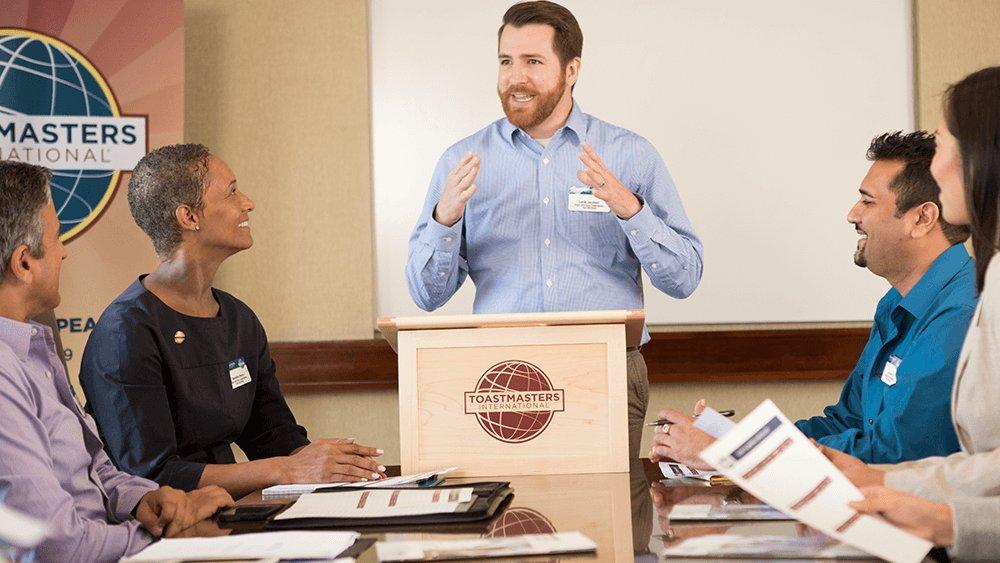
The hardest part of visiting a Toastmasters meeting for the first time usually isn’t the meeting itself. It’s not knowing what you’re walking into. So here’s exactly what happens, from arrival to the final gavel, at a Nairobi Toastmasters Club meeting.
Before the Meeting Starts
You don’t need to RSVP, fill out a form, or commit to anything in advance. Just show up 10 to 15 minutes before start time to sign in and find a seat. Dress is casual: come as you are, whatever that means for your day. In-person meetings carry a guest fee of KES 300; joining online, on the meetings held virtually, is free. Neither option asks anything else of you beyond attending.
Nairobi Toastmasters meets several times a month, a mix of shorter weekday lunch-hour sessions and a longer Saturday morning session, both in person and online. The exact current dates and venue are always on the meetings and events page, since that's the version that stays up to date.
How the Meeting Runs
Every meeting is hosted by a member serving as Toastmaster of the Day, whose job is to keep things moving and introduce each part of the agenda. From there, the shape of the meeting is the same whether you’re at a shorter weekday session or a longer Saturday one; only the length and number of speeches change.
Prepared Speeches
A handful of members deliver speeches they’ve prepared in advance, usually a project from their Pathways learning path. A typical weekday meeting runs about three prepared speeches in just over an hour; a typical Saturday meeting runs five or six over roughly two hours. Each speaker has an evaluator assigned to them ahead of time, so the feedback that follows isn’t improvised either.
Table Topics
After the prepared speeches, a Topicsmaster poses impromptu questions to volunteers from the room: a minute or two of unscripted speaking with no time to prepare. This is where guests often get their first real taste of what Toastmasters actually practises: thinking on your feet, in a room that isn’t going to judge you for it.
Evaluations, Timing and the General Evaluation
Every prepared speech gets a specific, encouraging evaluation from the member assigned to it: what worked, and one or two things to try next time. Alongside that, a Timer tracks how long each speaker ran, a Grammarian listens for language use, and an Ah-Counter tallies verbal fillers like “um” and “you know.” A General Evaluator then reviews the meeting as a whole, from pacing to how well each role was carried out. None of this is about grading anyone against a standard. It’s the same feedback loop every member, from brand new to years in, relies on to keep improving.
Meeting Roles, at a Glance
- Toastmaster of the Day: hosts the meeting and introduces every part of it
- Prepared Speakers: deliver a speech prepared in advance
- Table Topics Master: runs the impromptu-speaking segment
- Evaluators: give each speaker specific, encouraging feedback
- Timer, Grammarian & Ah-Counter: track time, language and filler words
- General Evaluator: reviews the meeting as a whole
Roles rotate from meeting to meeting among members, so nobody does the same job every time. Part of the point is that everyone eventually gets practice leading and organising, not just speaking.
If You’re Just Visiting
Guests aren’t assigned a role and aren’t expected to speak. If you’d like to jump into Table Topics when the floor opens, you’re welcome to (plenty of first-time guests do), but there’s no pressure either way. You can watch a full meeting start to finish and leave having said nothing at all, and that’s a completely normal first visit.
After the Meeting
Meetings usually close with brief awards and announcements, and members tend to stick around to chat afterward. Nothing about attending once commits you to anything else. If the visit leaves you curious, there’s no rush to decide. You can come back as many times as you like before you make up your mind, and most people who eventually join do exactly that.
If you want to see what’s coming up and pick a date, the meetings and events schedule lists everything upcoming. For the fuller picture of how the Pathways program and meeting roles fit together beyond a single visit, how Toastmasters works goes into more depth. And whenever you’re ready to stop visiting and start participating, joining Nairobi Toastmasters walks through what that actually involves.